TP-Link

Learn how to access and manage your TP-Link router settings, change WiFi passwords, update firmware, and improve network security using the TP-Link admin panel and default login IP address easily.
Learn how to access and manage your TP-Link router settings, change WiFi passwords, update firmware, and improve network security using the TP-Link admin panel and default login IP address easily.
TP-Link is one of the most popular networking brands in the world. The company is widely known for manufacturing reliable routers, WiFi extenders, modems, mesh systems, and networking devices for homes and businesses. TP-Link routers are popular because they are affordable, easy to use, and provide stable internet performance.
Whether you want to set up a new TP-Link router, change your WiFi password, access router settings, or improve network security, understanding how TP-Link routers work is very important. This complete guide explains everything about TP-Link routers, including login methods, setup instructions, troubleshooting, security settings, and advanced features.
A TP-Link router is a networking device that connects multiple devices to the internet. It creates a local network and allows devices such as smartphones, laptops, tablets, gaming consoles, and smart TVs to access the internet wirelessly or through Ethernet cables.
TP-Link routers are commonly used in:
The router manages internet traffic and helps distribute the connection efficiently across connected devices.
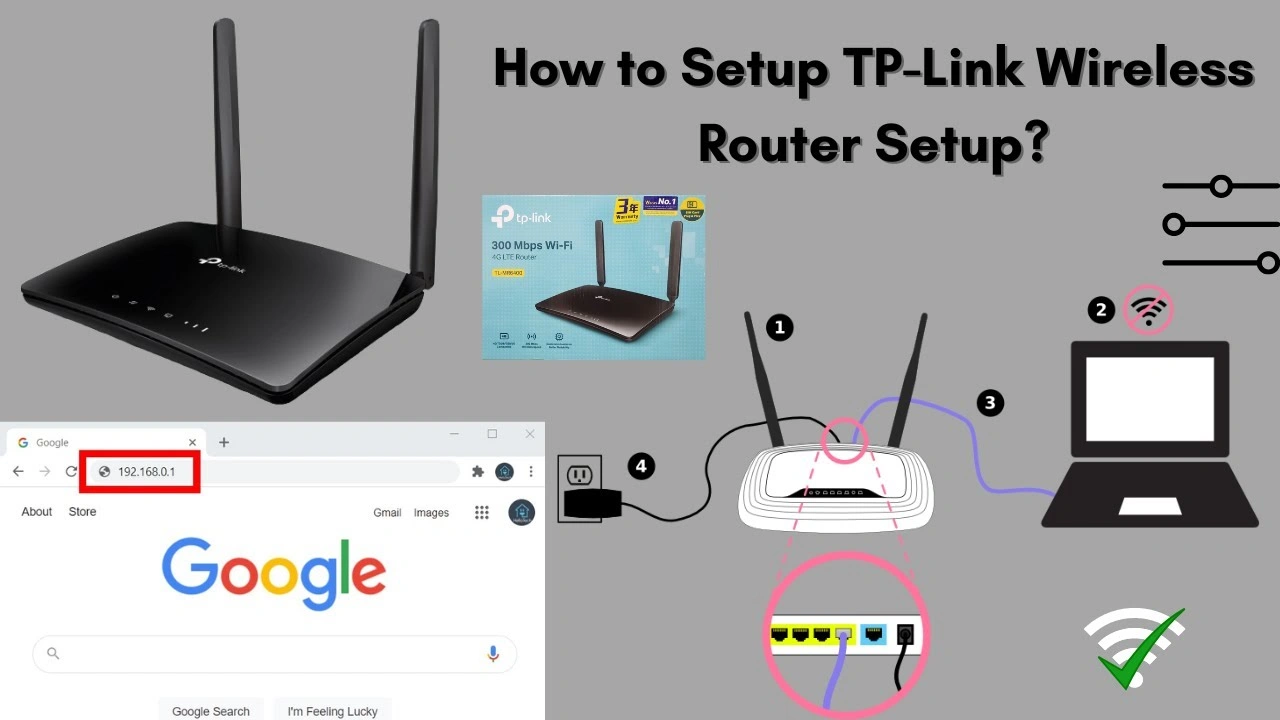
TP-Link routers are widely used because they offer many advantages.
TP-Link provides budget-friendly routers suitable for all users.
Most TP-Link routers can be installed within minutes.
Modern TP-Link routers provide stable wireless signals for large homes and offices.
TP-Link devices include:
TP-Link routers support modern internet speeds for:
Many modern TP-Link routers support:
Benefits:
Best for:
Benefits:
Best for:
TP-Link also offers mesh systems such as Deco WiFi.
Mesh systems provide:
Common TP-Link IP addresses include:
Most TP-Link routers use:
Yes. Use the TP-Link Tether mobile app.
Restarting once every few weeks helps maintain performance.
TP-Link routers are among the best networking devices for homes and offices because they offer reliable performance, strong security, easy setup, and affordable pricing. Whether you need a basic router for browsing or a high-speed gaming router, TP-Link provides solutions for every type of user.