SSID

Learn what SSID is and how it identifies your WiFi network. Discover how to find, change, and secure your SSID in router settings for better wireless network management and improved security.
Learn what SSID is and how it identifies your WiFi network. Discover how to find, change, and secure your SSID in router settings for better wireless network management and improved security.
When you connect your phone, laptop, or any device to WiFi, you always see a list of available network names. These names are called SSIDs. SSID stands for Service Set Identifier, and it is an important part of every wireless network. Every WiFi network has an SSID, whether it is at home, in an office, a café, or a public place. It helps users identify and connect to the correct network. This complete guide explains what SSID is, how it works, how to find it, how to change it, and how to secure it properly.
SSID (Service Set Identifier) is the name of a WiFi network. It is used to identify a wireless network among many others in the same area.
For example, when you open WiFi on your phone, you may see:
These are all SSIDs. Without SSID, devices would not know which network they are connecting to.
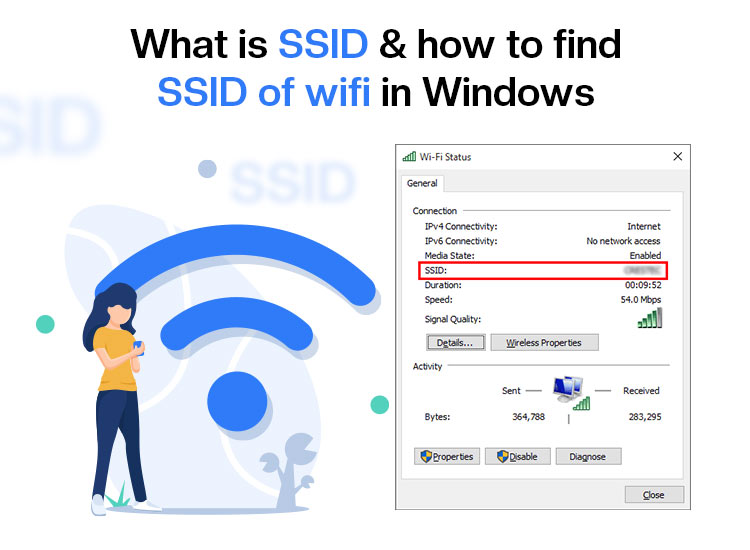
SSID plays a very important role in wireless communication.
SSID helps users find and connect to the correct WiFi network.
In crowded areas, many WiFi networks are available. SSID helps distinguish between them.
Routers use SSID to manage wireless connections.
A clear SSID makes it easy for users to identify the network.
SSID is broadcasted by your router. When WiFi is turned on, your device scans nearby networks and shows available SSIDs.
The process works like this:
There are different types of SSID configurations.
This is the name set by the router manufacturer.
Examples:
Users can change SSID to any name they like.
Examples:
A hidden SSID does not appear in the WiFi list.
Users must manually enter:
You can find SSID in several ways.
Most routers have a sticker showing:
On your phone or computer:
You can log in using:
Then check Wireless Settings.
Changing SSID is simple and improves network personalization.
Use WiFi or Ethernet cable.
Use Chrome, Firefox, or Edge.
Example:
http://192.168.1.1
Enter admin username and password.
Used for visitors.
Benefits:
A hidden SSID does not appear in WiFi list.
Avoid default names like TP-Link_1234.
Combine letters, numbers, and symbols.
Fixes bugs and improves security.
Check unknown users in router panel.
Public WiFi networks often use open SSIDs.
Risks:
SSID helps:
Modern networks are evolving
SSID is the name of a WiFi network.
Yes, through router settings.
No, SSID is network name while password is security key.
No, it only identifies the network.
Not fully. Strong password is more important.
SSID is an essential part of every WiFi network. It helps users identify and connect to wireless networks easily. Whether you are at home or in an office, SSID ensures proper network organization and management. Changing your SSID, securing your WiFi password, and using proper encryption settings can significantly improve your network security. While SSID is just a name, it plays an important role in how users interact with wireless networks.