
In the world of internet connection and network management the first step is to configure the router. Many routers use 192.168.0.1 as the default IP address for router configuration and admin login. If you are new to router configuration or want a complete guide about 192.168.0.1 login and settings, this article will help you understand the entire process step by step.
192.168.0.1 is a private IP address used by many routers including D-Link, Netgear, TP-Link, ASUS, and Linksys models. By accessing the 192.168.0.1 admin login page, users can manage and change router network settings easily. By altering the admin password, you may protect your network from intruders. You can also use parental control to restrict access to specific material.
What Is the 192.168.0.1 IP Address?
192.168.0.1 is a private IP address commonly used as the default gateway for many wireless routers and modems. It allows users to access the router admin panel and manage important network settings such as WiFi name, password, parental controls, security options, and firmware updates.
Just like every home has a physical address, every device connected to the internet also has an IP address for identification and communication. However, private IP addresses like 192.168.0.1 work only inside local networks and are not accessible directly from the public internet.
Many popular router brands including Netgear, D-Link, TP-Link, ASUS, Linksys, and Cisco use 192.168.0.1 as the default router login address. Other commonly used private IP addresses include 192.168.1.1 and 10.0.0.1.
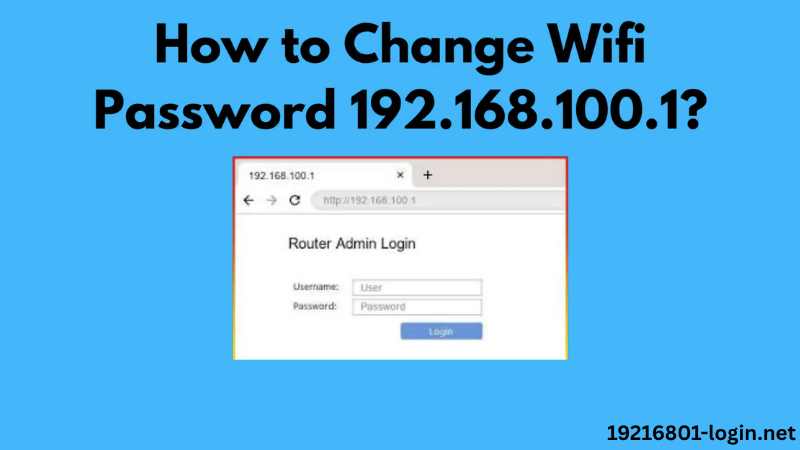
Default Logins for 192.168.0.1
Below are some of the most common default usernames and passwords used by routers with the 192.168.0.1 admin login IP address.
| Username | Password |
|---|---|
| admin | admin |
| admin | password |
| admin | 1234 |
| admin | passcode |
| user | user |
| administrator | administrator |
| blank | admin |
| blank | password |
Important: For better security, always change your router’s default username and password after the first login to protect your WiFi network from unauthorized access.
How To Login to 192.168.0.1?
To gain access to the 192.1.168.0.1 IP Login interface, you have to take over the following way
- Ensure that your computer or WiFi enabled device is linked to the router using a wireless network or Ethernet cable.
- Open an internet browser similar to Google Chrome or Firefox on your PC running either Windows or Mac operating system.
- Enter http://192.168.0.1 into your browser address bar.
- Enter your router's password and username.
- Press the Login button.
- Your dashboard will appear.
- Now you can manage your router settings, WiFi password, and network configuration.
How To Change WiFi Name and Password?
Changing your WiFi name and password helps improve network security and makes your connection easier to identify.
Steps to Change WiFi Settings
- Login to the router admin panel.
- Open the Wireless Settings or WiFi Settings section.
- Enter a new WiFi name (SSID).
- Create a strong WiFi password using letters, numbers, and symbols.
- Click Save or Apply.
- After saving, reconnect your devices using the new WiFi password.
How To Reset Router IP Settings?
Upon login to your router you should be able to access the 192.168.0.1 Router Settings. We have a great deal of settings which you may change, what you will mainly care to change however is related to your wireless internet access and security.
WiFi Name: You can name your wireless network anything you like. We have a large selection of smart, funny, and cool WiFi names that we put out for idea inspiration. For a good WiFi name it should be catch all and unique and not a common choice.
WiFi Password: A strong WiFi password is a must. Use of numbers and special characters is recommended if you do not want your neighbor to access your network and slow its speed. We also suggest you use a passcode which is at least 8 in length and includes letters.
WiFi Channel: To get the best out of your WiFi connect to the right channel. At the same time we present to you our site’s guide which is very user friendly. We have designed a WiFi analysis app for both macOS and Windows which allows you to see which are the less used. Available WiFi channels in my vicinity and the channel that will suit me.
How To Change WiFi Name( SSID) And Password On My 192.168.0.1 Router?
Some of the reasons as to why you might be prompted to change your 192.168.0.1 WiFi Settings are for better protection against hackers and ensuring that one is able to remember the password effortlessly.
-
Login to your router settings panel.
-
Once inked by, navigate to the “ Wireless, ” “ WiFi ” or “ Wireless Settings ” tab.
-
This is available in the general or network setup section.
-
On your router for wireless settings put in your new WiFi name which is also known as the SSID and your new WiFi password in their separate fields.
-
Also, hit "Save" or "Apply" to make the changes.
How Do I Change My Router's Login IP Address (LAN IP) To Something Else?
Your router is provided with a factory set Default 192.168.0.1 Login IP address (also at times a domain name). Also you are able to change this address. By doing so you improve security which in turn makes it harder for others to access and play with your router’s settings.
Follow these steps to change it.
-
Log into your router’s admin panel.
-
Logged in go to the area which has either “LAN Settings”, "Network Settings”, or “Local Network”. This is what you will usually see for the router’s IP address.
-
In this part you will find the field of the LAN IP address (or similar) which you will want to change out for your new IP address. For example you may want to use 192.168.2.1 and 192.168.3.1.
-
Once complete please save the changes which will in turn renew the router for different IP addresses.
How To Find Out Your Router's 192.168.0.1 IP Address?
On Windows:
On Microsoft's operating system:
-
Press Windows R
-
Type cmd and press Enter
-
Type ip configuration
-
Look for default Gateway
On macOS:
-
Open System Settings
-
Go to the network connection section
-
Click Details → TCP/ IP
-
Find Router
How To Recover If I Forget Router Login Info?
It does not at all have to do with secure password recall. There are in fact many ways that put your passwords and usernames up for anyone to see. We have provided two options for dealing with this issue. One is to use the list of router login credentials we present here, the second and better option which we prefer is to reset the router. This can be achieved through the following procedures.
-
The reset button will be set up at the hind end of the router.
-
Take an object that's sharp enough and push the button.
-
Press the button for a period of not lower than 10 to 15 seconds.
-
By that which is done you will reset the router to default settings.
-
Thus you will be able to go in with the default username and password in the login field and see the router info which appears.
Private vs Public IP Addresses
Each computer is issued a Public IP Address by the internet service provider(ISP). This address must be unique world wide. Also your router has a Private IP Address which is used in private networks.
Public IP Addresses
Public IP Addresses have to be unique in every which way. In the past this was an issue for IPv4 which only had room for around 4 billion addresses. But IANA put forth a solution to this issue when they introduced the IPv6 standard. Also as you may guess the IPv6 system is supported by a greater number of combinations than does the IPv4 system.
Private IP Addresses
The Internet Assigned Numbers Authority has put forth that certain number of IP blocks for private use. We have a pool of about 17.9 million Private IP Addresses which are reserved for private networks. This is in fact the primary reason why a 192.168.0.1 Router’s IP does not have to be global. Whether it is a large scale organization or a home network the router issues out a private IP that is relevant to its network.
Troubleshooting 192.168.0.1 Problem
If you can't get into 192.168.0.1 Router Login, there is a range of issues to check. After you connect the device to the router, make sure you connect it to the Internet as well, either with a Wi- Fi connection or an Ethernet wire.
Change the IP Address: Numerous routers have a default IP address. So that you should change your router's default IP address to 192.168.1.1 if your current address is not formerly 192.168.1.1. Else, you'll accept problems connecting to the Internet.
Clear Your Cache: Clear out the cache on Internet Explorer to fix your connection issues. Also you can use a different web browser on your device. It will help to rule out any browser specific issues that may be causing you trouble or stopping you from getting on the internet.
Reset Your Router: If your router still will not connect after going through everything listed, try resetting it out which may help to reestablish the connection issue. You will have to press the reset button on your router for at minimum 10 to 30 seconds. The factory configuration will revert back to its original state by following the step given. I hope that your device will be eligible to connect once more.